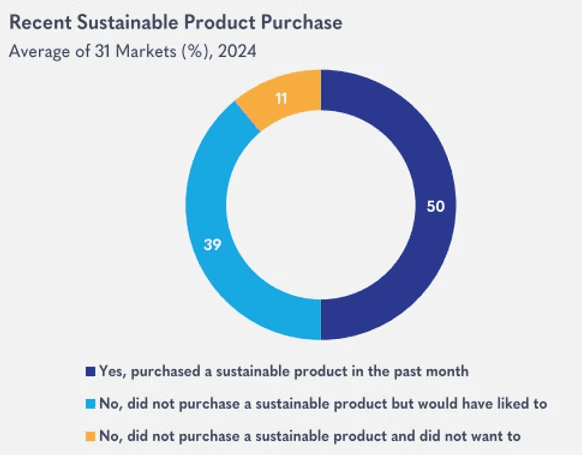
Consumers are no longer just noticing sustainability claims on their product's packaging, they are actively seeking them out. According to Globe Scan's "Healthy & Sustainable Living Report 2024" 89% of consumers currently purchase or would like to start purchasing eco-friendly products.
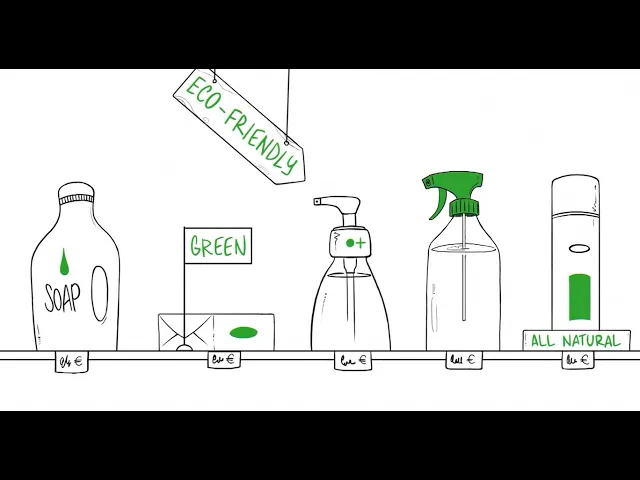
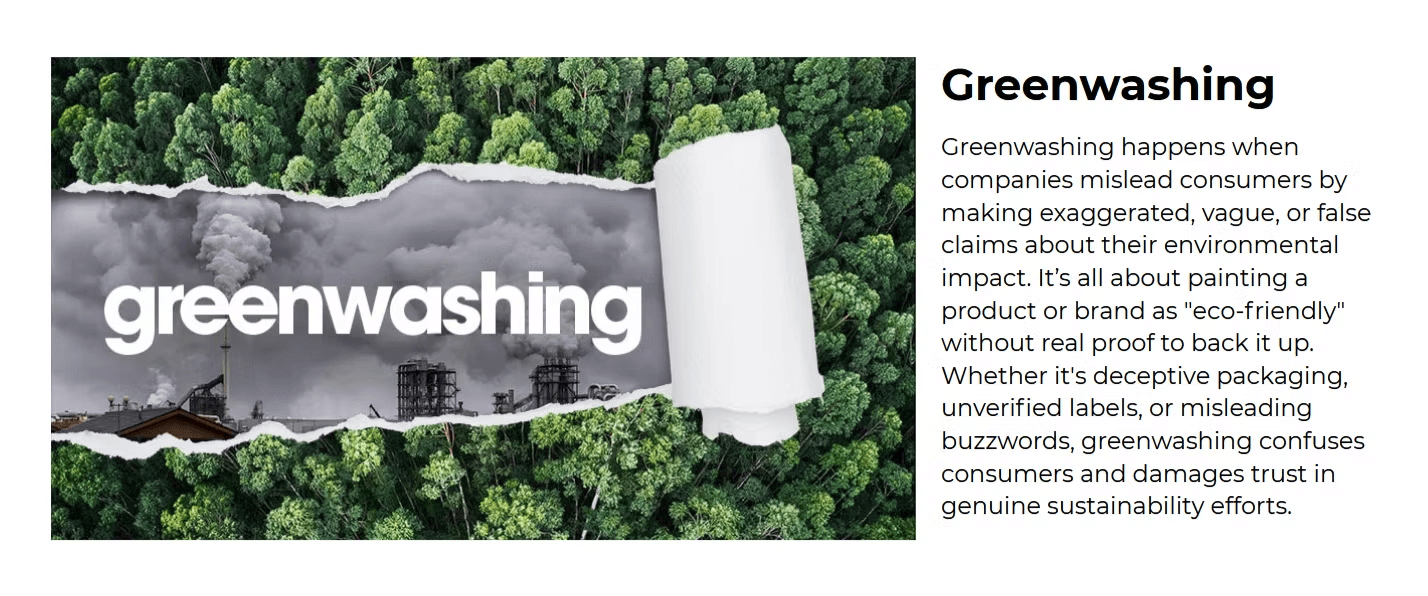
Brands that don't include environmental claims on their products (greenhushing) or include incorrect or misleading claims (greenwashing) risk losing trust with consumers. With greenwashing on the rise, the EU is stepping in to ensure that environmental claims are credible, verifiable and backed by science. Enter the Green Claims Directive, a game-changer for businesses marketing their sustainability efforts.
Here’s everything you need to know to stay ahead of the curve.
What is the Green Claims Directive?
The Green Claims Directive is a proposed EU law designed to regulate environmental claims made by companies. It ensures that businesses provide clear, substantiated, and verifiable information when marketing products as "green" or "sustainable." The directive applies to explicit environmental claims and labeling schemes, addressing issues like recyclability, carbon neutrality and biodiversity impact.
Key Goals of the Directive:
Eliminate greenwashing: Prevent misleading claims that confuse consumers.
Ensure scientific backing: Require companies to provide concrete evidence for their sustainability statements.
Regulate eco-labels: Standardize environmental labels to enhance consumer trust.
Requirements for Companies
To comply with the EU Green Claims Directive, companies will need to meet several key requirements to ensure their environmental claims are credible and transparent:
1. Mandatory Third-Party Verification
All environmental claims must be independently verified before being made public, ensuring compliance with EU regulations.
2. Clear, Evidence-Based Claims
Vague or exaggerated sustainability statements won’t cut it. Claims must be specific, factual and easy to understand.
3. Streamlined Process for Simple Claims
Businesses making straightforward claims may follow a simplified procedure, reducing administrative hurdles while maintaining compliance.
4. Stricter Rules for Environmental Labels
Existing and future environmental labels must meet EU approval before being used in marketing, preventing misleading certifications.
5. Greater Transparency for Climate-Related Claims
Companies using carbon offsetting must disclose details about the type, quantity and impact of purchased carbon credits.
What the EU Green Claims Directive Means for Business
If your business makes (or plans to make) environmental claims in your marketing activities, now is the time to prepare!
Here’s what this directive means for you:
✅ Higher Compliance Costs: Third-party verification and scientific assessments may require additional resources, but this investment will help ensure the credibility of your claims and protect your reputation in the long run.
✅ Stronger Consumer Trust: Verified environmental claims can strengthen brand loyalty, attract more eco-conscious customers, and differentiate your business from competitors.
✅ Fewer Eco-labels: Only officially approved labels will be allowed, reducing market clutter and confusion.
✅ Impact on SMEs: SMEs may get simplified rules, but they’re still accountable. National laws might offer support, but proof of green claims is mandatory for all businesses.
✅ Greenwashing Risks: Fake eco-claims? Expect fines, audits, and reputational damage. Regulators can investigate and enforce compliance, and trust is hard to win back. In addition, companies found guilty of greenwashing may face increased scrutiny from consumers, industry groups, and competitors.
Action Plan: Steps to Ensure Compliance with the EU Green Claims Directive
To reap the benefits of marketing your sustainability claims while avoiding potential risks, here’s what you should do now to ensure compliance:
5 Steps to Take Now to Ensure Compliance with the EU Green Claims Directive
What’s Next? Key Dates for the EU Green Claims Directive
To stay on track with compliance, it’s essential to know the key milestones in the directive's timeline. Here are the critical dates to watch:
Key Dates for the EU Green Claims Directive
Once adopted, the directive will be published in the Official Journal of the European Union and enter into force. Member States will then have up to 24 months to integrate it into national legislation. The European Commission may also issue additional guidance to ensure uniform implementation across the EU. Businesses should monitor updates both at the EU and national levels to stay compliant.
How Green Claims Fit into the Bigger Picture
The Green Claims Directive works alongside other EU sustainability laws. The Corporate Sustainability Reporting Directive (CSRD) expands reporting duties, while the EU Taxonomy and the Sustainable Finance Disclosure Regulation (SFDR) define and disclose sustainable activities.
Together, these regulations create a comprehensive framework for transparency, accountability, and sustainability. By aligning with them, you not only streamline compliance but also strengthen your overall ESG strategy, positioning your company as a leader in responsible business practices. Learn more about how companies can leverage their sustainability data for market expansion and impact marketing.
Final Thoughts: Turning Compliance into an Opportunity
The Green Claims Directive isn’t just about avoiding fines, it’s a chance to build trust and credibility with growing body of eco-conscious consumers. Brands that embrace transparency today will gain a competitive edge in the evolving green economy.
Are you ready for the change? Start preparing today and position your business as a leader in sustainable marketing.
Explore How ECO-OS Can Help You Navigate These Changes
With sustainability reporting requirements evolving rapidly, businesses need reliable tools to stay compliant and efficient. The ECO-OS CSRD Starter Kit is an advanced AI-powered CSRD software solution designed to greatly reduce the burden of reporting while ensuring alignment with regulatory requirements, response quality and consistency with the company's policies, procedures and activities. Additionally, the same toolset supports multiple other ESG frameworks, as well as a flexible interface that enables rapid responses to the multiple questionnaires from clients, investors and rating agencies that so often clutter ESG managers desktops.
Discover how ECO-OS can support your sustainability strategies and disclosures today!
Related Glossary terms


Learn More
FAQs
Data security
We take data security very seriously. ECO-OS uses enterprise-grade security measures, including encryption, secure data storage, regular security audits, and compliance with leading industry standards. Your sensitive ESG data remains private, secure, and confidential at all times.
Do you provide implementation support?
Absolutely! Our professional services team is among the most talented and experienced in the business. They provide hands-on implementation support, systematically guiding your team every step of the way. From initial data discovery and onboarding of users to training and integration, our experts ensure your team rapidly closes gaps and creates new value with ECO-OS.
Do you also support Scope 3 reporting?
Of course. ECO-OS provides an end to end solution for Scope 3 emissions following the guidance of the GHG Protocol. A suite of tools unique to our platform simplifies the complex task of communicating, collecting and aggregating your supply chain data, helping you clearly understand your full value chain emissions and devise actionable reduction programs.
What international standards and frameworks are supported by ECO-OS?
ECO-OS supports alignment with major global ESG reporting frameworks, including CSRD, the GHG Protocol, California SB 253 and SB 261, the UN Global Compact, the UN SDGs, and other leading international standards.
Start Your Journey to Compliance and Growth Today